Explore common household mold types, black mold terminology, and the moisture problems that let mold grow in Maine homes.
Most homeowners do not need a lab manual. They need clear answers about what mold terms mean, what they may be seeing in the attic, basement, crawl space, or bathroom, and what to do next.
This library is designed to help you understand the language without losing sight of the bigger issue: indoor mold is usually a moisture problem first. CDC, EPA, and Maine guidance all point homeowners back to the same priority: find the moisture source, fix it, and address the mold.
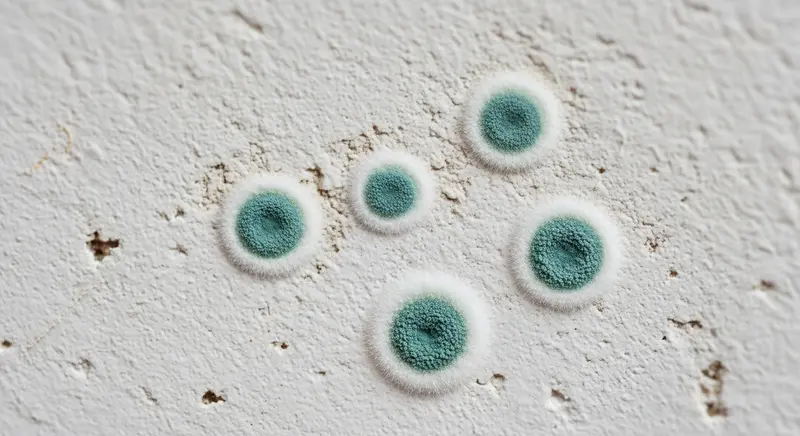
Mold is a type of fungus. Mold spores are always around indoors and outdoors, but indoor mold becomes a real problem when moisture lets it grow on building materials like drywall, wood, insulation, ceiling tiles, carpet, wallpaper, or dust.
Common home moisture sources include roof leaks, plumbing leaks, window and wall leaks, flooding, condensation, basement dampness, crawl space moisture, and persistent humidity.
For homeowners, the most important takeaway is simple: mold is rarely the root problem. Moisture is. EPA, CDC, and Maine guidance all emphasize that mold control starts with moisture control, and damp materials should be dried quickly because mold can begin growing within 24 to 48 hours after a leak, spill, or flood.
CDC identifies Cladosporium, Penicillium, and Aspergillus as the most common indoor molds, and NIEHS commonly lists Alternaria alongside them. These are the core names most homeowners are likely to hear.
Often discussed as a common indoor mold. Homeowners may hear this name in connection with damp indoor areas or airborne spores.
One of the most common indoor molds. It is a broad genus with many species, so the genus name is often more useful to homeowners than trying to memorize a specific species.
Another very common indoor mold. It is often part of the standard short list of molds found in homes.
A common indoor mold genus that frequently shows up in home mold discussions and reports.
The best-known mold behind many “black mold” searches. It is the name homeowners most often hear when dark mold growth becomes a concern. CDC specifically discusses it in the context of “toxigenic” mold language.
These are not always the first names homeowners know, but they show up regularly in water-damaged building discussions, indoor mold literature, and some inspection or lab reports.
Often associated with damp or water-damaged materials, especially cellulose-based materials.
A name that can appear in moisture-damage and indoor mold discussions, especially around damp building materials.
Another mold name often associated with damp or water-damaged building materials.
Often discussed in moisture-damaged building contexts and water-affected materials.
A name that may appear in indoor mold discussions and damp-building contexts.
A genus that homeowners may see in indoor mold lists or reports, especially where dampness is part of the conversation.
Often included in broader indoor mold or moisture-damage discussions, though less familiar to most homeowners.
A name that appears in indoor mold and water-damage discussions, especially when homeowners are reading more detailed material.
Less common in homeowner conversations, but sometimes seen in reports and building-related mold discussions.
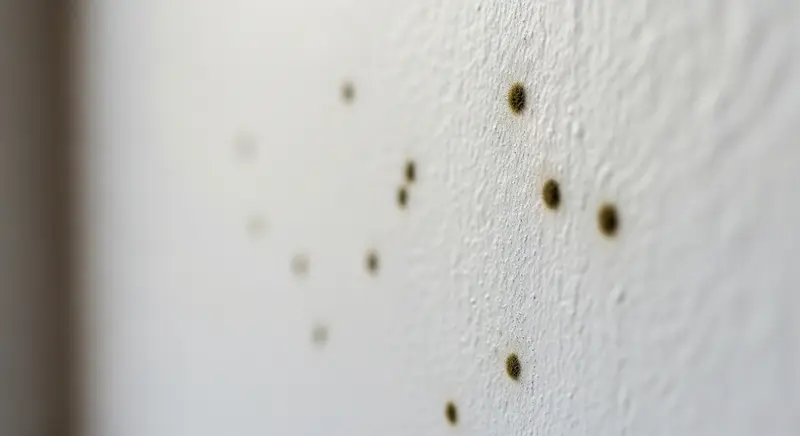
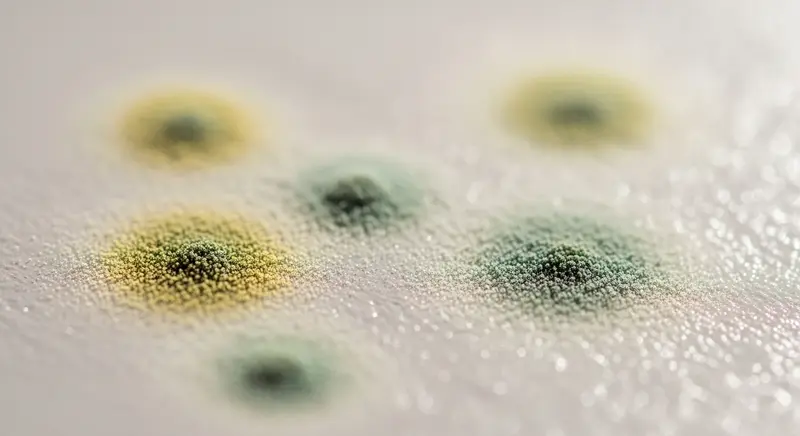
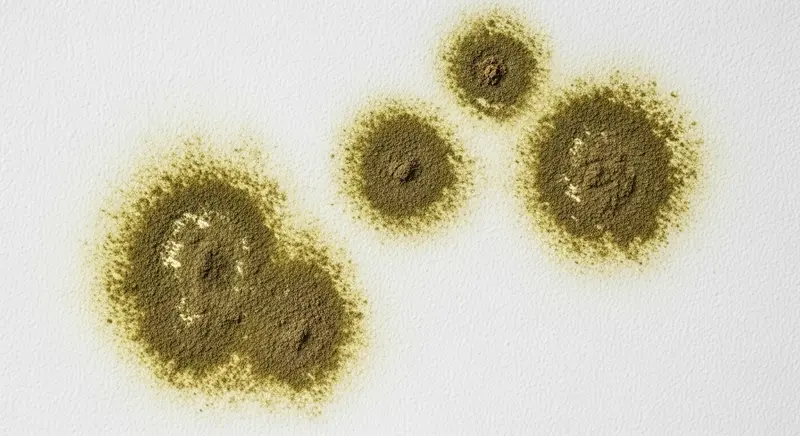
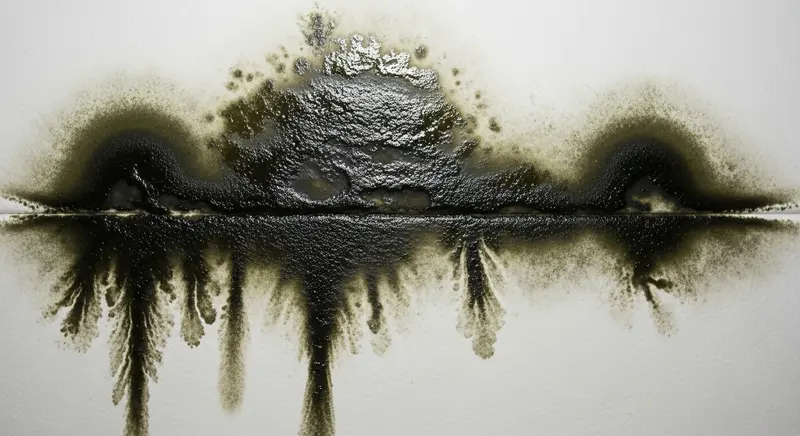
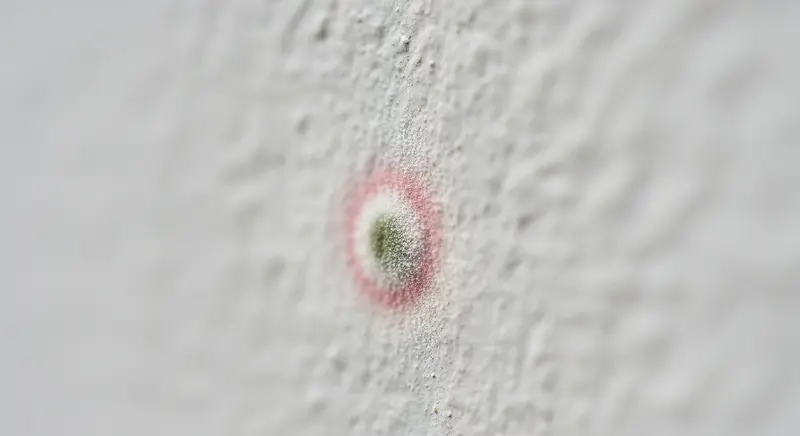
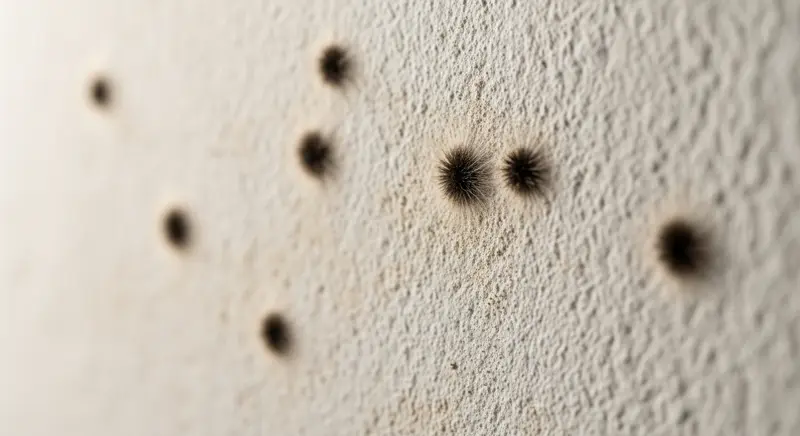
“Black mold” is a homeowner term, not a scientific category. CDC is clear that mold can appear in many colors and that color does not tell you whether a mold is more or less dangerous. Many molds can look dark, black, brown-black, olive-black, or greenish-black depending on age, lighting, and the surface they are growing on.
When homeowners use the phrase “black mold,” they are often talking about any dark-looking mold. The best-known example is Stachybotrys chartarum, but color alone is not a reliable identification method.
For practical decisions in a home, the bigger question is usually not “what shade is it?” but “what moisture source is feeding it, how much is there, and what needs to be cleaned, removed, or remediated?”
Many different molds can appear dark or black. CDC and EPA both emphasize that color alone does not determine whether a mold is more or less hazardous. Focus on the moisture source and the extent of growth, not the color.
“Toxic mold” is a very common homeowner phrase, but CDC uses the more precise term toxigenic mold. That matters because CDC explains that some molds can produce mycotoxins, but the molds themselves are not considered toxic or poisonous. In other words, the phrase “toxic mold” is often used loosely, while the real homeowner issue is still the same: if mold is growing indoors, it points to a moisture problem that needs attention.
This is also why exact species names are often less useful to homeowners than they seem. If there is visible mold, musty odor, dampness, or water damage, Maine CDC and CDC guidance both emphasize that the right next step is usually moisture correction and cleanup or remediation, not arguing over the label. The type or color of mold does not determine whether remediation is needed.
CDC explains that some molds can produce mycotoxins, but the molds themselves are not considered toxic or poisonous. The practical next step is the same either way: correct the moisture and address the mold.
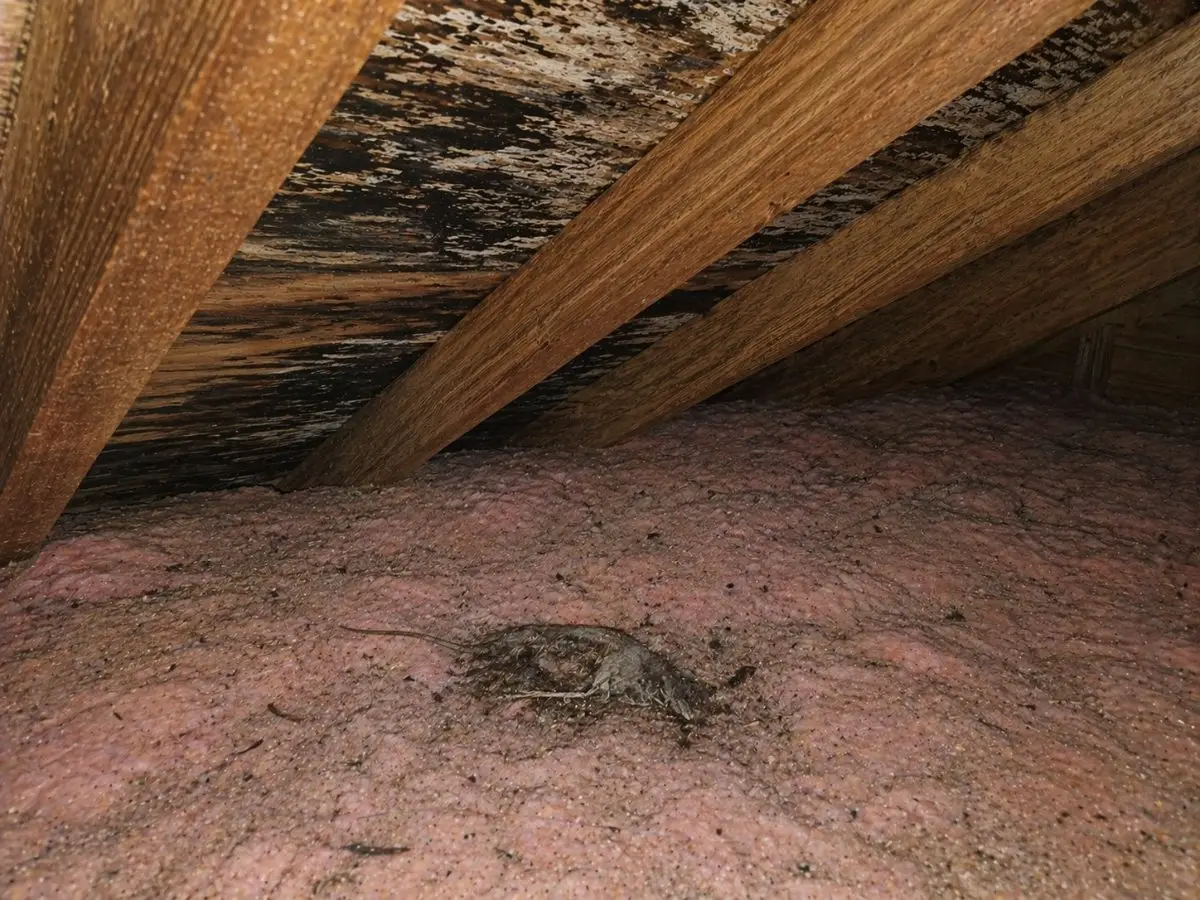
Often points to roof leaks, condensation, poor ventilation, or insulation and airflow problems. Attic mold is one of the clearest examples of why moisture investigation matters more than taxonomy alone.
Usually ties back to dampness, seepage, flooding, foundation moisture, or persistent humidity. A wet basement is a moisture problem first and a mold problem second.
Often grows where damp air, ground moisture, poor drainage, or inadequate moisture control persist. Crawl spaces are frequently part of a larger whole-home moisture issue.
Often linked to high humidity, condensation, and inadequate drying or ventilation. Repeated regrowth still points to moisture management.
Usually suggests repeated condensation, high indoor humidity, or cold-surface moisture. This is a common sign that the moisture issue may be tied to indoor humidity levels, air leakage, or temperature imbalance.
Can result from hidden leaks, plumbing problems, window failures, or condensation behind surfaces. EPA specifically notes that hidden mold can grow behind drywall, wallpaper, or paneling, and around pipes.
Usually means the drywall was damp long enough to support growth. Because drywall is porous, removal is often more practical than trying to restore it after widespread growth.
Usually points to attic, ceiling, or wall moisture. The leak source matters as much as the visible mold.
Often occurs inside walls, under cabinets, around fixtures, or in lower-level materials that stayed damp.
Can spread quickly through porous materials if they are not dried and handled promptly. EPA and CDC both stress fast drying and moisture correction after water events.
For many homeowners, this is the most important section on the page. Maine CDC says environmental mold testing is generally not recommended or needed, especially when you can already see or smell mold and the moisture problem is obvious. EPA says much the same thing: if visible mold growth is present, sampling is usually unnecessary, and there are no federal mold standards that a building can be tested against.
Testing may still help in more specific situations, such as when hidden mold is suspected but not visible, when a transaction or documentation issue requires more detail, or when post-remediation confirmation needs a more targeted plan.
But for ordinary homeowner decisions, moisture investigation, visible evidence, musty odor, and dampness history are often more useful starting points than chasing the exact name of the mold.
Hidden mold suspected but not visible, real estate transactions requiring documentation, or post-remediation confirmation. For everything else, start with the moisture source.
If the leak, humidity, or dampness is still active, fixing that comes first.
Small visible areas may be handled differently than widespread, hidden, or recurring mold.
Porous materials often need removal, while some hard non-porous surfaces may be more cleanable.
Larger areas, repeated growth, hidden moisture, contaminated water, HVAC involvement, or more sensitive health situations are stronger reasons to get experienced support.
EPA says small areas of mold, generally less than about 10 square feet, can often be handled by homeowners if the moisture source is corrected and the cleanup is done properly. Larger areas, major water damage, contaminated water, HVAC involvement, hidden mold, or situations involving health concerns are stronger reasons to bring in an experienced professional.
CDC notes that people with asthma, mold allergy, chronic lung disease, or immune compromise may react more strongly, and Maine guidance also notes that health responses vary from person to person. For homeowners, the practical rule is this: if the mold is widespread, keeps coming back, is tied to a hidden leak or dampness problem, or involves materials that likely need removal, it is time to stop treating it like a simple wipe-down issue.
Usually, “black mold” is a homeowner color term rather than a precise identification. The best-known example is Stachybotrys chartarum, but many molds can look dark, and color alone does not tell you how risky it is.
CDC identifies Cladosporium, Penicillium, and Aspergillus as the most common indoor molds. NIEHS commonly includes Alternaria in that common-indoor-mold set.
Sometimes it matters in a report or specialist discussion, but for most homeowners the bigger issues are where the mold is, how much there is, what is feeding it, and what needs to be cleaned, removed, or remediated. Maine CDC specifically says the type or color of mold does not determine whether remediation is needed.
Usually not when mold is already visible or clearly tied to dampness, odor, or leaks. EPA, CDC, and Maine guidance all say testing is often unnecessary in those situations.
It often means there is a moisture problem involving roof leaks, condensation, ventilation issues, or insulation and airflow problems. The moisture source matters more than the mold label.
“Mold removal” is the simpler homeowner phrase. “Mold remediation” usually means a more complete process that includes correcting the moisture source, containing the work properly, removing damaged materials when needed, and reducing the chance of recurrence.
Yes. EPA, CDC, and Maine guidance all emphasize acting quickly after water damage because mold can begin growing or be prevented from taking hold if materials are dried within roughly 24 to 48 hours.
If you found visible mold, dark staining, attic growth, crawl space issues, or a musty smell that keeps coming back, the next step is figuring out what moisture problem is feeding it and what should happen next.