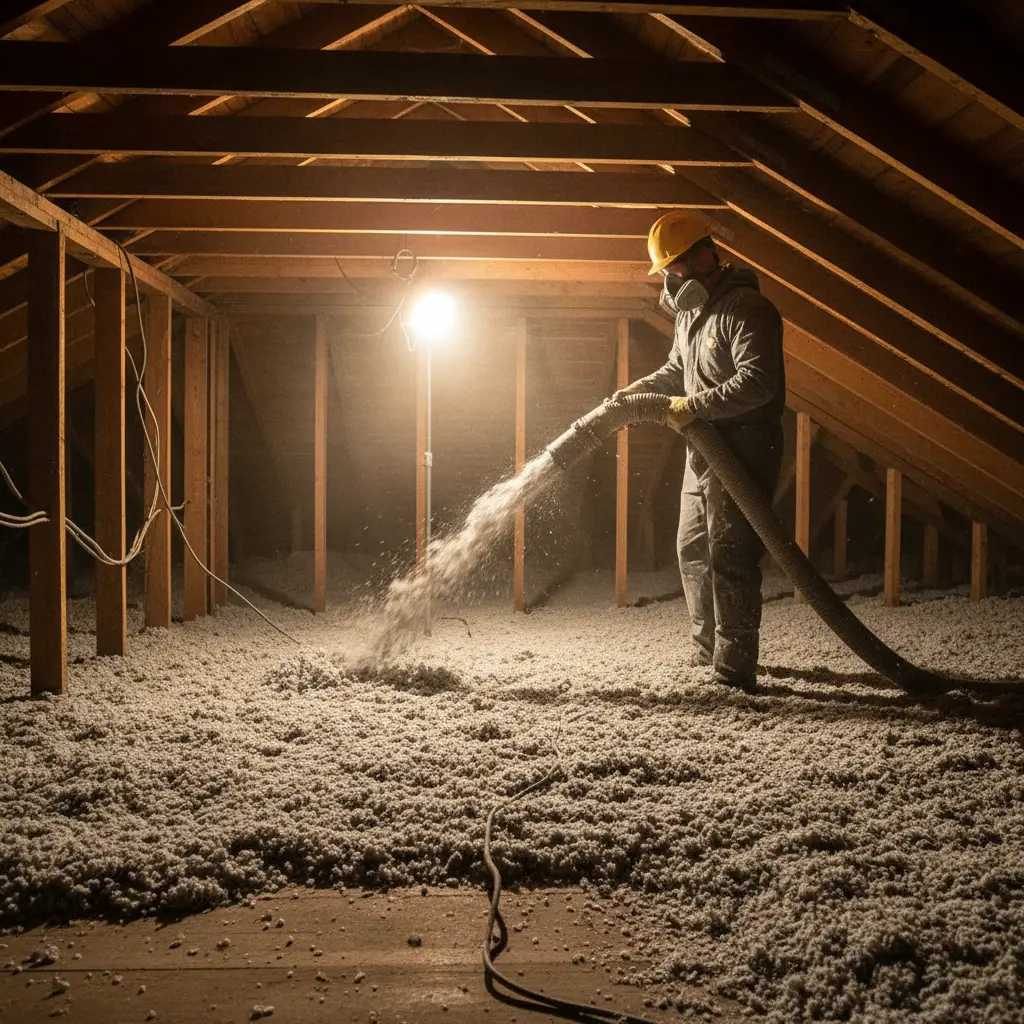
Attic Insulation: Stop Losing Heat Through Your Roof

Most Maine homes lose a major amount of heat through an under-insulated attic. Mattra fixes that with the right material, proper air sealing, and full Efficiency Maine rebate documentation.

Efficiency Maine Certified Contractor BPI-Certified Building Analysts 30+ Years Serving Maine

Attic Insulation Maine: Professional Installation for Blown-In & Spray Foam

The Most Impactful Home Energy Upgrade You Can Make

For many Maine homes, the attic is the biggest source of energy loss. Warm air rises, escapes through gaps in the attic floor, and pushes conditioned air out of the house. When insulation levels are low or air leaks are left open, heating costs climb and comfort drops.

That is why attic insulation is often one of the smartest upgrades a homeowner can make. It is not just about adding more material. It is about sealing the attic floor first, protecting ventilation pathways, and building the assembly to the right R-value for long-term performance.

Many older Maine homes still have attic insulation levels far below current recommendations. Mattra starts by assessing what is already there, identifying where air is leaking, and recommending the right combination of air sealing and insulation for the space.

Qualifying projects also come with support for Efficiency Maine rebate documentation, helping reduce out-of-pocket cost while making the upgrade easier to move forward with.

  • Air sealing first, proper ventilation
  • Rebate guidance included
Attic insulation and ventilation assessment in a Maine home

Insulation and Attic Ventilation Work Together

One of the most common attic mistakes we see is insulation packed against roof rafters or soffit vents blocked during a previous install. That can trap moisture, contribute to mold or rot, and reduce the performance of the insulation itself.

Proper attic insulation should work with attic ventilation, not against it. Before any install, we assess the ventilation pathways, check for blocked soffits or poor airflow, and make sure the insulation plan supports the roof system correctly.

If roofing concerns show up during the assessment, we flag them early so they can be handled at the right time instead of becoming a bigger issue later.

Attic Insulation Materials We Install

Blown-In Cellulose Specifications

  • R-value: ~R-3.5 per inch
  • Best for standard vented attic assemblies
  • Ideal for large attic upgrades
  • Excellent coverage and gap-filling
  • Cost-effective thermal performance

Blown-In Cellulose

Blown-in cellulose delivers approximately R-3.5 per inch and is the go-to material for standard vented attic assemblies. It fills gaps effectively, provides excellent thermal performance, and is one of the most cost-effective ways to bring an attic up to the recommended R-49 target.

Best for: Standard vented attic assemblies and large attic upgrades

Blown-In Fiberglass Specifications

  • R-value: ~R-2.5 per inch
  • Best for accessible attics
  • Lightweight and non-combustible
  • Long-term settling should be considered
  • Good option for specific applications

Blown-In Fiberglass

Blown-in fiberglass provides approximately R-2.5 per inch and is a solid option for accessible attics where weight and fire resistance are considerations. Long-term settling is a factor to account for, which is why proper depth measurement at install is important.

Best for: Accessible attics where long-term settling concern is managed

Spray Foam Attic Specifications

  • Closed-cell applied to roof deck
  • Creates conditioned attic space
  • Air barrier and vapor barrier in one
  • Best for unvented attic conversions
  • Ideal when HVAC is located in attic

Spray Foam for Unvented Attic Assemblies

When an attic needs to be conditioned — such as unvented attic conversions or when HVAC equipment is located in the attic — closed-cell spray foam applied to the roof deck is the right approach. It creates a continuous air and vapor barrier, bringing the attic inside the thermal envelope.

Best for: Unvented attic conversions or HVAC in attic

What Is Included in Every Mattra Attic Insulation Project

Pre-Install Assessment

We measure existing insulation levels, identify air leakage points, review ventilation pathways, and check for moisture or mold conditions before recommending a plan.

Air Sealing

We seal attic bypasses including top plates, penetrations, hatches, and other leakage points before any insulation is installed — because insulation without air sealing leaves performance on the table.

Professional Installation

Correct depth, professional-grade equipment, and measured coverage to achieve the target R-value. Every install is verified for completeness before we leave the site.

Rebate Documentation & Cleanup

We document all work performed, prepare Efficiency Maine rebate paperwork, and leave the attic clean when the project is complete.

How Our Attic Insulation Process Works

1

Free Attic Assessment

We inspect the attic, measure existing insulation levels, review ventilation pathways, and identify air leaks. This assessment is free and gives you a clear picture of where your attic stands and what it needs.

2

Air Sealing

Before any insulation is installed, we seal the attic floor — closing gaps around top plates, plumbing and electrical penetrations, attic hatches, and other leakage points that let conditioned air escape.

3

Blown-In or Spray Foam Installation

Depending on the attic configuration, we install cellulose, fiberglass, or spray foam to the correct depth using professional-grade equipment. Coverage is verified to meet the target R-value.

4

Documentation, Cleanup & Rebate Support

We photograph the finished install, provide project documentation, and guide you through the Efficiency Maine rebate process to help offset your cost.

Learn About Efficiency Maine Rebates
Attic insulation upgrade for an older Maine home

When Attic Insulation Delivers the Biggest Payoff

Attic insulation is often the best upgrade when you are dealing with:

  • High heating bills in winter
  • Uneven temperatures between floors
  • Drafts that seem to come from above
  • Older insulation that has settled or compressed
  • Poor attic performance in older Maine homes

Because warm air naturally rises, attic improvements can make a meaningful difference in both comfort and energy use. When paired with proper air sealing, this upgrade often gives homeowners one of the clearest returns on investment.

Common Questions About Attic Insulation

Attic insulation in Maine typically costs between $1,500 and $5,000 depending on attic size, existing insulation levels, air sealing needs, and the material selected. Efficiency Maine rebates can help offset the cost. Contact us for a specific quote.

The recommended target for attic insulation in Maine is R-49 or better. Many older homes fall well below this level, which means significant heat loss through the roof. We measure your existing levels during our free assessment and recommend the right approach to reach the target.

Blown-in insulation (cellulose or fiberglass) is the best choice for standard vented attic assemblies. Spray foam is better suited for unvented attic conversions or when HVAC equipment is located in the attic. We recommend the right material based on your attic configuration.

Spray Foam Insulation →

For most older Maine homes, blown-in cellulose combined with thorough air sealing is the best approach. Cellulose provides excellent thermal performance, fills gaps effectively, and works well with standard vented attic assemblies common in older construction.

Blown-In Insulation →

Yes — attic insulation projects may qualify for Efficiency Maine rebates when installed by a certified contractor. Mattra is an Efficiency Maine certified contractor and handles all rebate documentation for our customers.

Financing & Rebates Details →

Why Maine Homeowners Choose Mattra for Attic Insulation

If your attic has moisture issues, mold concerns, or rodent-related damage, those conditions should be addressed before new insulation goes in.

  • Efficiency Maine Certified Contractor
  • BPI-Certified Building Analysts
  • Air sealing included on every project
  • Fully licensed and insured in Maine
  • Free in-home attic assessments
  • Rebate documentation handled for you

Ready to Stop Losing Heat Through Your Attic?

Our team provides free in-home attic assessments across Maine, measuring insulation levels, checking ventilation, and identifying air leaks before recommending a product. No pressure. No guessing. Just an honest assessment and a clear plan.

Mattra Inc. · 68 Whipple St, Lewiston ME 04240
(207) 777-6020 · info@mattrainc.com

Questions? Call (207) 777-6020 or email info@mattrainc.com