Water Damage Restoration in Lewiston-Auburn and Across Maine

Burst pipe, flooded basement, roof leak, or a failed water heater: Mattra removes the water, dries the structure, stops mold before it starts, and rebuilds what was damaged. One team from the first call to the finished room.

What to Do in the First Hour of Water Damage

Water damage gets worse by the hour. It wicks up drywall, soaks into insulation and subfloors, and runs along framing to places you cannot see. What you do before help arrives makes a real difference to how much of your home can be saved.

Do these first

  1. Stop the water. Shut off the main water valve, or the supply valve to the fixture or appliance that failed.
  2. Make it safe. If water is near outlets, cords, or the electrical panel, turn off power to that area at the breaker, but only if you can reach the panel without standing in water.
  3. Photograph everything before anything is moved or thrown away. Your insurance adjuster will ask for it.
  4. Move what you can (rugs, electronics, furniture, boxes) out of the wet area and up off the floor.
  5. Call (207) 777-6020. The sooner drying starts, the less has to be torn out.

Not an emergency, but you are seeing stains, soft spots, peeling paint, or a musty smell? Use the form to tell us what is going on and we will help you sort out the next step.

Everything a Water Damage Job Needs, Handled by One Team

Most water damage jobs pass from an emergency drying crew to a separate contractor for the rebuild, and things get missed in the handoff. Mattra handles the full restoration, so the team that dries your home is accountable for how it is put back together.

Water Removal and Extraction

Standing water comes out first, from floors, carpet, and basements, so drying can actually begin and the water stops spreading into walls and subfloors.

Structural Drying and Dehumidification

Air movement and dehumidification dry the framing, subfloor, and wall cavities, not just the surfaces, and moisture readings confirm the structure is dry before anything is closed up.

Flooded Basement Cleanup

Spring snowmelt, heavy rain, sump pump failures, and foundation seepage. We clear the water, dry the space, and look at why it got in.

Burst and Frozen Pipe Damage

A frozen pipe that splits in January can soak a ceiling, the walls below it, and the floor in minutes. We handle the water, the drying, and the rebuild.

Ceiling, Roof Leak, and Ice Dam Damage

Stained or sagging ceilings, wet attic insulation, and water running down interior walls after a roof leak or an ice dam backs up under the shingles.

Appliance and Plumbing Leaks

Water heaters, washing machines, dishwashers, refrigerator lines, toilets, and slow leaks under sinks that rot cabinets and subfloors over time.

Mold Prevention and Removal

Mold is the reason fast drying matters. We check for it on every water damage job, and if it has started, we remove it before the area is rebuilt.

Mold removal and remediation →

Repair and Rebuild

Drywall, ceilings, flooring, framing, insulation, and finishes, put back the right way once the structure is verified dry.

Water damage repair →

How Mattra Restores a Water-Damaged Home

Every job follows the same order, because skipping a step is how homes end up with mold behind brand-new drywall.

1

Stop the Source

Find where the water is coming from and make sure it has stopped, whether that is a supply line, a roof leak, or groundwater coming through the foundation.

2

Map the Moisture

Water travels. We trace how far it went, behind walls, under flooring, and into ceilings below, so the drying plan covers the whole affected area, not just the puddle you can see.

3

Remove the Water and What Cannot Be Saved

Extract standing water, then remove saturated materials that will not dry well, like carpet pad, soaked insulation, and the bottom of wet drywall. Everything that can be saved stays.

4

Dry the Structure, Then Prove It

Drying equipment runs until moisture readings show the framing and subfloor are back to normal. Closing up a wall that only feels dry is how hidden mold starts.

5

Check for Mold

Before anything is rebuilt, we inspect the opened areas for mold growth. If it is there, it gets removed properly first.

6

Repair and Rebuild

Insulation, drywall, ceilings, flooring, and trim go back in, finished to match the rest of the home.

7

Fix What Caused It

If the cause was a wet basement, an ice dam, or poor drainage, we show you how to keep it from happening again, from waterproofing and dehumidification to air sealing and attic ventilation.

Water Damage Gets Worse Every Day It Sits

The EPA recommends drying wet building materials within 24 to 48 hours to prevent mold. After that, drywall loses strength, wood swells and stains, insulation stops working, and mold takes hold. The type of water matters too, because it decides what can be dried and what has to go.

Clean Water

Category 1

From a supply line, a burst pipe, or a faucet. Most materials can be dried in place if work starts quickly. Left sitting, clean water does not stay clean.

Gray Water

Category 2

From a washing machine, dishwasher, or sump pump overflow. It carries contaminants, so porous materials like carpet pad usually come out.

Black Water

Category 3

Sewage backups and outside floodwater. Porous materials it touched have to be removed, and the area needs cleaning and sanitizing before it is rebuilt.

The Water Damage We See Most in Lewiston-Auburn

Maine homes get water damage in ways warmer places do not. After decades of working in Central Maine homes, these are the jobs that come up again and again:

  • Frozen and burst pipes in exterior walls, crawl spaces, and unheated rooms during a cold snap
  • Ice dams pushing meltwater under the shingles and into ceilings and walls
  • Spring snowmelt and heavy rain flooding basements, especially older fieldstone and block foundations
  • Sump pump failures during storms and power outages
  • Slow plumbing leaks that rot subfloors and feed mold for months before anyone notices

Many of these are not just plumbing problems. Ice dams come from heat escaping into the attic, and wet basements come from drainage and foundation issues. Because Mattra also works on air sealing, attic ventilation, and basement waterproofing, we can fix the cause, not just the damage.
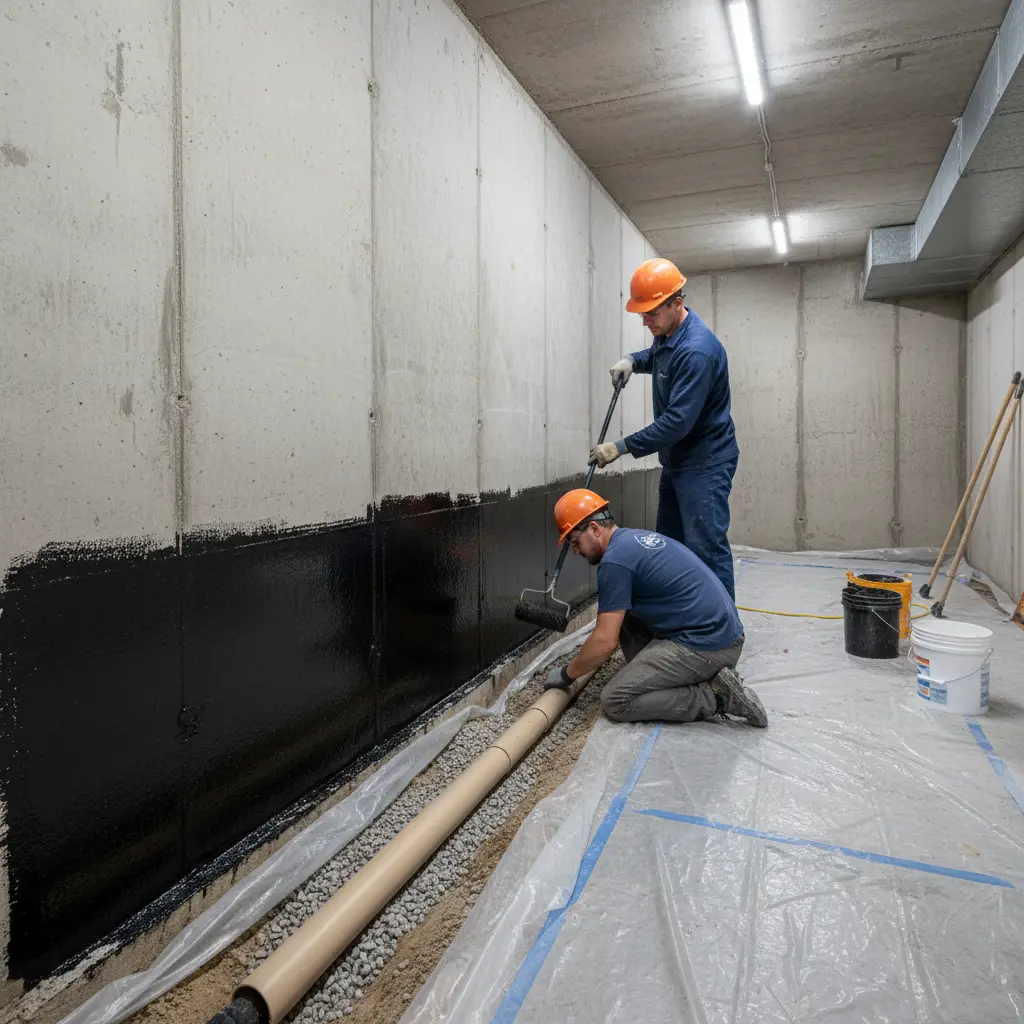
Crew sealing a basement foundation wall after water damage in a Maine home

Water Damage Restoration Near You

Mattra is based at 68 Whipple St in Lewiston, so homes in Lewiston, Auburn, and the surrounding towns are close by. We provide water damage restoration in:

  • Lewiston
  • Auburn
  • Poland
  • Lisbon and Lisbon Falls
  • Mechanic Falls
  • Minot
  • Greene
  • Sabattus
  • Turner
  • Leeds
  • Gray
  • New Gloucester

We also restore water-damaged homes across Central and Southern Maine. See all of the areas Mattra serves, or call (207) 777-6020 to ask about your town.

Services That Often Go With Water Damage

Mold Inspection and Testing

Not sure whether the water event left mold behind? A mold inspection tells you what is there before you rebuild.

Mold testing →

Basement Waterproofing

If water keeps finding its way into the basement, waterproofing and drainage keep the restored space dry.

Basement waterproofing →

Dehumidification

Damp basements and crawl spaces keep materials vulnerable long after the water is gone. The right dehumidifier fixes that.

Dehumidification →

Rot Repair

Framing, sills, and subfloors that stayed wet too long often need rot repair before the rebuild.

Rot repair →

Common Questions About Water Damage Restoration

Do not see your question? Call (207) 777-6020.

The EPA recommends drying wet building materials and furnishings within 24 to 48 hours to prevent mold growth. After that window, mold becomes likely in drywall, insulation, carpet pad, and wood framing, and the job gets larger and more expensive.

Restoration covers the whole job: removing the water, drying the structure, checking for mold, and putting the home back together. Repair is the rebuild phase only, after the drying is done. Mattra handles both, so you do not have to hand the job from an emergency company to a contractor.

Most homeowners policies cover sudden and accidental water damage, such as a burst pipe or a failed water heater. Damage from a slow leak over time, or from surface flooding, is often excluded, and flood damage usually needs a separate flood policy. Call your insurer early, photograph the damage before anything is removed, and keep every estimate and receipt.

Fans dry surfaces, not the water trapped inside walls, under flooring, or in insulation. Materials can feel dry to the touch while the framing behind them is still wet. Moisture readings are the only way to know a space is actually dry before it is closed back up.

Not if the space is dried fast and completely. Mold follows moisture that stays too long. Mattra checks for mold as part of every water damage job and, if it has started, removes it before the area is rebuilt.

Yes. Basement flooding is one of the most common water damage jobs in Maine, especially during spring snowmelt and heavy rain. Mattra removes the water, dries the space, and can address waterproofing and drainage so it does not happen again.

Mattra is based at 68 Whipple St in Lewiston and serves Lewiston, Auburn, Poland, Lisbon, Lisbon Falls, Mechanic Falls, Minot, Greene, Sabattus, Turner, Gray, New Gloucester, and homes across Central and Southern Maine.

Restoration That Fixes the Cause, Not Just the Damage

Mattra has worked on Maine homes for more than 30 years. That experience in mold, moisture, insulation, and construction means a water damage job ends with a home that is less likely to get wet again.

  • Water removal, drying, mold, and rebuild from one team
  • Moisture readings before anything is closed up
  • Mold check on every water damage job
  • Waterproofing, ventilation, and insulation fixes for the cause
  • Fully licensed and insured in Maine
  • 4.9-star Google rating

Water Damage? Call Mattra.

From a burst pipe in Auburn to a flooded basement in Lewiston, Mattra removes the water, dries your home, keeps mold out, and puts it back together. The sooner drying starts, the less has to be replaced.

Mattra Inc. · 68 Whipple St, Lewiston ME 04240
(207) 777-6020 · info@mattrainc.com