Maine basements take a beating. Spring snowmelt runs off frozen ground straight at the foundation, heavy rain overwhelms gutters, sump pumps fail during the storms they're there for, and older fieldstone and block foundations let groundwater seep through. When the basement floods, what you do in the first day or two decides how much you have to replace.
This step-by-step guide covers flooded basement cleanup from the first safety check to keeping the water out next time. When it's more than a wet-vac can handle, Mattra's water damage restoration service covers the whole job in Lewiston-Auburn and across Maine.
Safety First
- Electricity. Basements hold the electrical panel, the furnace, and the water heater. If water is touching outlets, cords, or the panel, stay out and call the utility to cut power.
- Treat floodwater as dirty. Groundwater and surface water carry whatever they ran through, and a sewer backup is sewage. Wear boots and gloves, and keep kids and pets out.
- Heating oil and gas. If you smell heating oil or the oil tank has shifted, call your fuel company. If a furnace or water heater was underwater, have it checked before it's relit or turned back on.
Flooded Basement Cleanup, Step by Step
1. Find where the water is coming from
Seepage through the walls or a floor crack, water pouring in a window well, a failed sump pump, a sewer backup, or a burst pipe all need a different fix. If the source is plumbing, shut off the water. If the sump pump failed, get it running or replaced.
2. Pump out the water
A sump pump, a utility pump, or a wet-vac handles shallow water. If the basement has several feet of water and the ground outside is still saturated, emergency management agencies advise pumping it out a little at a time over a few days. Draining it all at once can let the pressure of the wet soil outside crack or push in the foundation walls.
For anything more than a few inches, professional water extraction gets the water out faster and more completely, including out of carpet and the bottom of finished walls.
3. Get the contents out
Move everything you can to a dry place. Wet cardboard boxes, upholstered furniture, and carpet start to smell and grow mold quickly. Photograph anything you throw away for the insurance claim.
4. Remove what won't dry
In a finished basement, soaked carpet and pad, wet insulation, and the bottom of the drywall usually have to come out so the concrete and framing behind them can dry. In an unfinished basement there's less to remove, but stored items and anything made of cardboard or particleboard usually goes.
5. Dry the basement completely
Basements are cool and damp to begin with, which makes them slow to dry. Air movers and dehumidifiers running steadily, with moisture readings to track the concrete, framing, and walls, get it done. Our guide to how long water damage takes to dry explains how to tell when a basement is actually dry. A permanent basement dehumidifier helps keep it dry afterward.
6. Check for mold
Basements are the most common place for mold after water damage because they stay cool and humid. Check the bottom of walls, the back of stored items, and framing before anything is rebuilt. See basement and crawl space mold.
7. Repair and rebuild
Once the readings say it's dry, the drywall, insulation, flooring, and trim can go back in. See water damage repair.
8. Fix the reason it flooded
Skip this step and you'll be doing the whole thing again next spring.
Why Maine Basements Flood
- Spring snowmelt. When the snowpack melts while the ground is still frozen, the water can't soak in and runs toward the house.
- Heavy rain. Gutters and downspouts that dump water right at the foundation are one of the most common causes.
- Grading. Soil that slopes toward the house sends water straight at the basement walls.
- Older foundations. Fieldstone and block foundations common in older Maine homes let groundwater through more easily than poured concrete.
- Sump pump failure. Power outages during storms, worn-out pumps, and clogged float switches.
- Sewer backups and burst pipes, which flood basements any time of year.
How to Keep Water Out Next Time
- Extend downspouts several feet away from the foundation and keep gutters clear.
- Regrade soil so it slopes away from the house.
- Test the sump pump each spring by pouring water into the pit, and add a battery backup for storm outages.
- Cover window wells and seal foundation cracks.
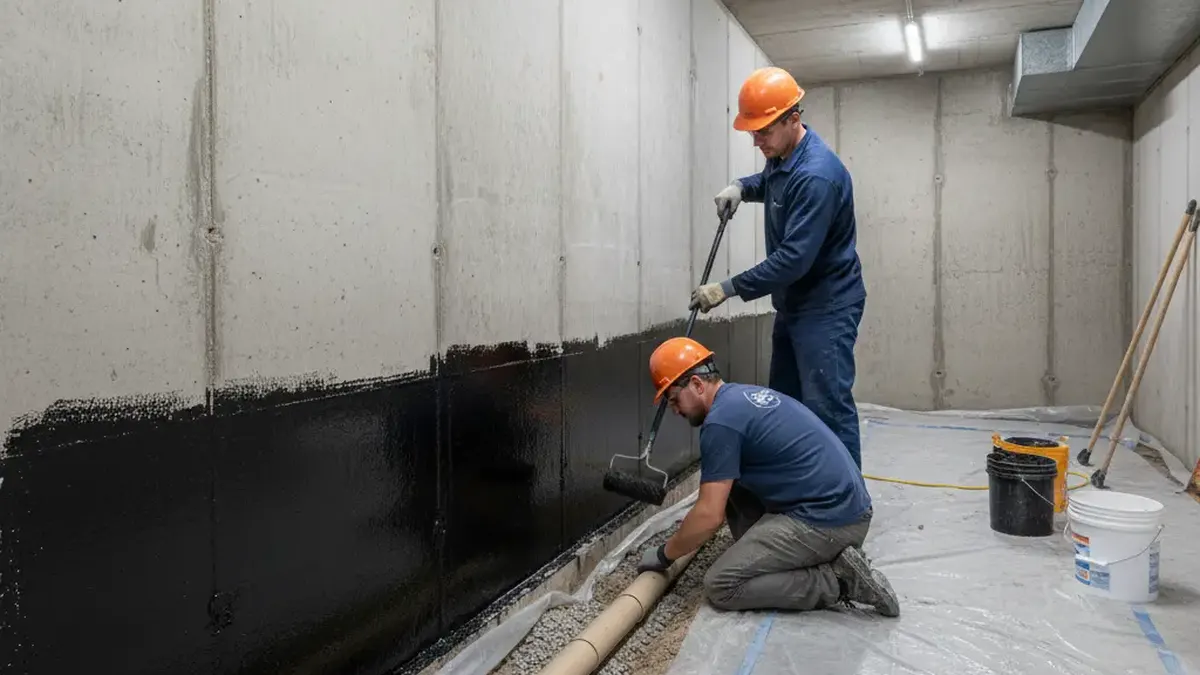
- For recurring seepage, interior drainage and basement waterproofing keep the water out at the walls and floor.
- Store things in plastic bins on shelves, not cardboard boxes on the floor.
Does Insurance Cover a Flooded Basement?
It depends on where the water came from. A standard homeowners policy usually covers a sudden plumbing failure, like a burst pipe or water heater. Groundwater seepage and outside flooding usually aren't covered without separate flood insurance, and sump pump failures and sewer backups often need a specific endorsement on the policy. Call your agent early. Mattra works with your insurance company on water damage claims.
Common Questions About Flooded Basements
Can I stay in the house while the basement dries?
Usually yes, as long as the power and heating system are safe and the water wasn't sewage. Drying equipment is noisy, and you'll want the basement door closed so the dehumidifiers work efficiently.
Is basement floodwater dangerous?
Outside floodwater and sewer backups can carry bacteria and chemicals. Wear boots and gloves, keep children and pets out, and wash anything it touched.
Will a dehumidifier dry out a flooded basement?
A household dehumidifier helps once the standing water is gone, but it can't dry soaked concrete, framing, and drywall quickly enough on its own. Air movers and commercial dehumidifiers do that work, and a permanent dehumidifier keeps the basement dry afterward.
Flooded Basement Cleanup in Lewiston-Auburn and Across Maine
Mattra has worked on Maine basements since 1996. We remove the water, dry the space, check for mold, rebuild what was damaged, and handle the waterproofing and dehumidification that keep it from flooding again, working with your insurance company along the way. We're IICRC certified for water damage restoration.
If the water came from inside the house, see our guides to frozen and burst pipes and water heater and appliance leaks.