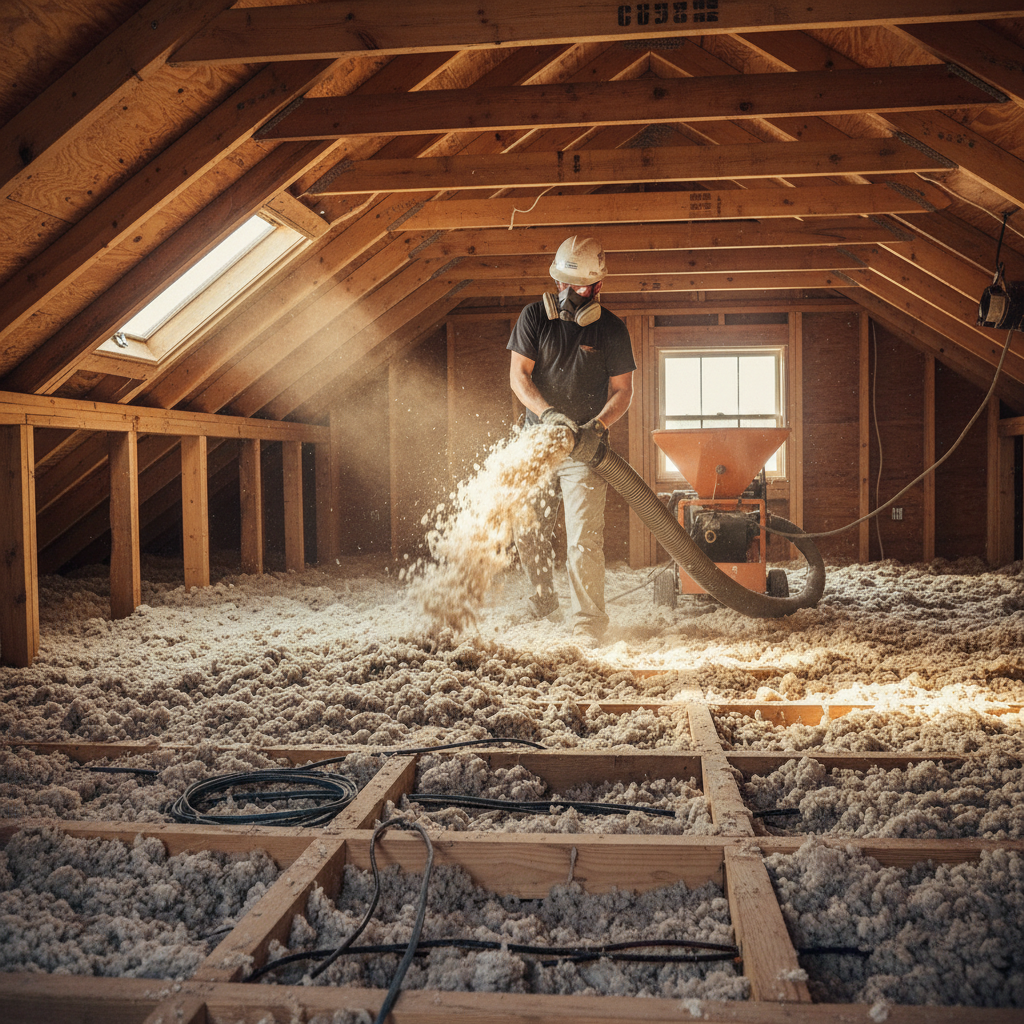
Loose-fill insulation fills gaps, reduces drafts, and improves energy efficiency in Maine homes, installed by Efficiency Maine-certified contractors.
Maine's older housing stock, with irregular framing, settled walls, and hard-to-reach attic cavities, is a natural fit for blown-in insulation. Unlike rigid boards or batt insulation, loose-fill material flows into gaps, around obstructions, and into tight corners where other products simply cannot reach.
Mattra installs three main types: cellulose, blown-in fiberglass, and dense pack cellulose. Cellulose is made from recycled paper and offers strong air resistance. Fiberglass is moisture-tolerant and quick to install. Dense pack cellulose is compressed into wall and floor cavities for stronger performance in enclosed spaces.
All three can support Efficiency Maine rebate eligibility, helping reduce out-of-pocket costs.
Whether you are upgrading an under-insulated attic, retrofitting walls without full tear-out, or replacing old compressed insulation, blown-in insulation is one of the most cost-effective upgrades a Maine homeowner can make.
Efficiency Maine-certified · Air sealing included · Rebate guidance available
A lot of Maine homeowners call us asking for "blown-in spray foam." The confusion makes sense because both terms come up in insulation conversations all the time, but they are very different products.
Spray foam is a liquid that expands and hardens in place. Blown-in insulation is loose-fill cellulose or fiberglass that is pneumatically installed through a hose.
If you have heard that spray foam is the highest-performing option, that can be true for certain applications. But if your goal is cost-effective coverage for large attic areas, adding R-value over existing insulation, or filling wall cavities during a renovation without tearing out drywall, blown-in insulation is often the smarter and more affordable choice.
Not sure which is right for your home? Start by comparing the options below.
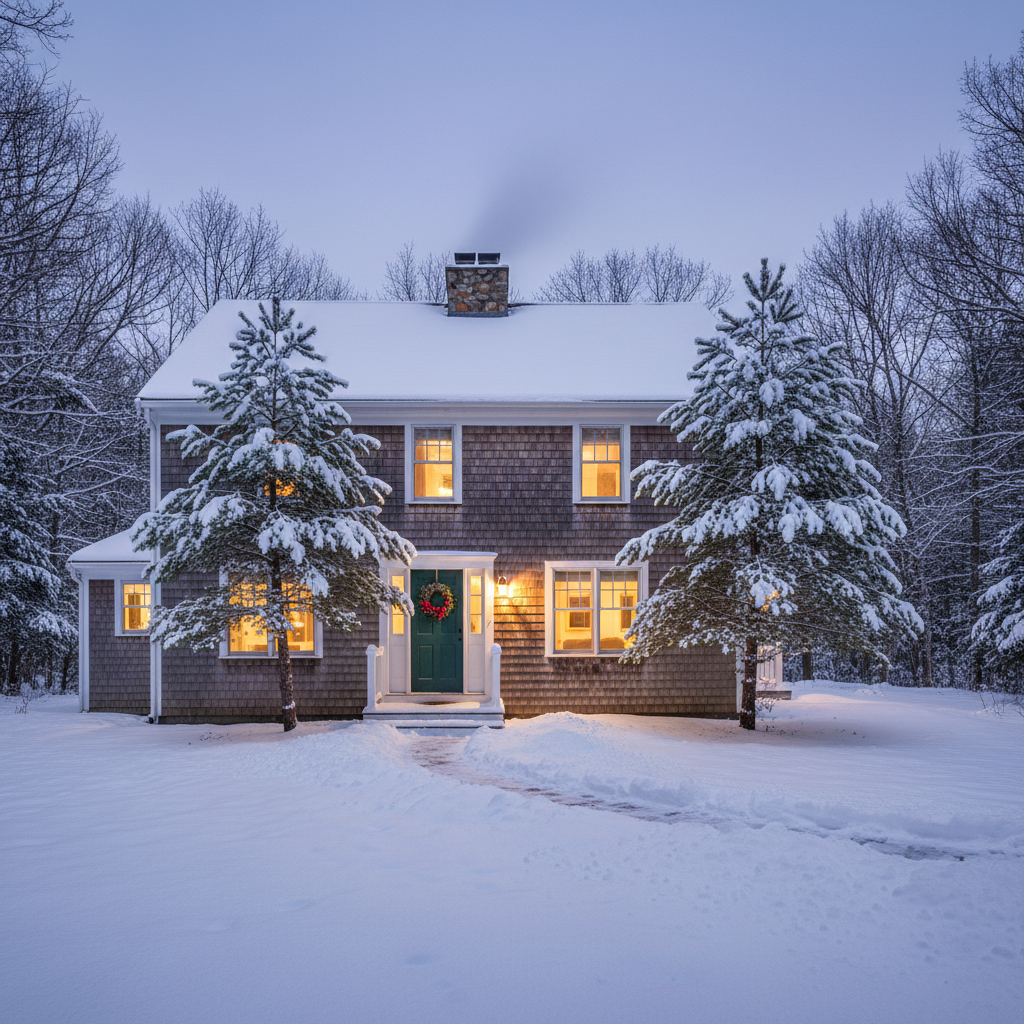
The most common blown-in application. Cellulose or fiberglass is installed over attic joists to the proper depth, helping cover gaps, bypasses, and irregular framing that batts often miss. Maine code commonly requires attic insulation levels up to R-49, and many homes fall well short.
Attic Insulation →Dense pack cellulose can be installed into existing wall cavities through small access holes from the exterior or interior. In many cases, no major drywall tear-out is required, making it one of the most practical retrofit options for older Maine homes.
Wall Insulation →In homes with unconditioned crawl spaces, insulation upgrades may be added to reduce heat loss from below. We also address air leaks and moisture conditions before insulation goes in so the upgrade performs the way it should.
Crawl Space Encapsulation →Old, compressed, or contaminated insulation performs poorly no matter what its original R-value was. We remove damaged material and replace it with fresh blown-in insulation to restore thermal performance and improve overall conditions.
Insulation Removal →We evaluate current insulation levels, identify air leaks and bypasses, and measure where the biggest R-value gaps exist. This helps determine which material and method make the most sense for your home and what Efficiency Maine incentives may apply.
Before any insulation is added, we seal key penetrations, bypasses, and attic air leaks. Blown-in insulation performs far better when the home is properly sealed first.
Our crews use professional-grade blowing equipment to install insulation to the correct depth and density. Attic installs are checked with calibrated depth markers. Wall installs are monitored for full cavity fill.
We provide project documentation, R-value records, and guidance for rebate paperwork so you do not have to sort through the process on your own.
Financing & RebatesBlown-in insulation is often the best choice when a home needs broad coverage without major demolition.
It is especially useful when you want to:
For many Maine homeowners, blown-in insulation hits the sweet spot between performance, affordability, and practical installation.
Mattra approaches insulation with a whole-home mindset, not just a product-first pitch. That means we look at air leakage, moisture risk, existing insulation condition, and long-term performance before recommending the right path.
If you are already dealing with moisture or mold alongside your insulation concerns, it is important to address those issues before or alongside the insulation upgrade.
Cost depends on material, square footage, and whether air sealing is included. Many attic retrofit projects fall somewhere between $1,500 and $4,000, though actual pricing depends on the home. Efficiency Maine rebates can offset a meaningful portion of the cost. We provide a clear estimate after the assessment.
Cellulose is denser, offers stronger air resistance, and is made from recycled material. Fiberglass is lighter, installs faster, and handles moisture well. The best option depends on your attic conditions, access, and goals.
Yes, in many attic applications new material can be added over existing insulation to help bring the home closer to recommended levels. We inspect the existing insulation first to check for compression, contamination, or moisture problems.
For retrofit work in attics and enclosed cavities, blown-in insulation often performs better because it fills gaps, irregular spaces, and framing obstructions that batts cannot cover as effectively.
Most Maine homeowners who install qualifying insulation improvements through an Efficiency Maine-certified contractor may be eligible for rebates. The amount depends on project scope, insulation improvement, and square footage.
Our team serves homeowners across Maine with expert blown-in insulation installs using cellulose, fiberglass, and dense pack cellulose. We handle everything from in-home assessment and air sealing through installation and rebate documentation.
Mattra Inc. · 68 Whipple St, Lewiston ME 04240
(207) 777-6020 ·
info@mattrainc.com
Questions? Call (207) 777-6020 or email info@mattrainc.com